Where everyone belongs: Adaptive sports bringing joy and connection to Midland
Lifelines of friendship, empowerment, and belonging for families of all abilities.
Adaptive sports in Midland have a way of reminding us of what community really means. They show how people come together to make sure every child and adult, regardless of ability, has the chance to feel the thrill of movement, the joy of belonging, and the pride of being part of a team.
Midland is fortunate to have a thriving network of adaptive sports opportunities, from the Miracle League to TOPSoccer to Special Olympics, along with monthly inclusive activities at the Roll Arena that keep families connected year-round.
These programs aren’t just sports for many families. They’re lifelines. They’re places where differences are not obstacles, but traits that make each athlete who they are. And they’re places where parents can sit in the bleachers with full hearts, watching their children grow in confidence, courage, and skill.
For parents like Debra Mead, these programs have shaped not only her son Sean’s childhood but her family’s entire experience of community. “Adaptive sports are very important because they open the opportunity to kids of all abilities to participate in and receive the benefits of playing sports,” Mead says.
She talks about the simple moments many families take for granted, such as getting exercise, learning new skills, making friends, and being part of a team. Yet for many children with disabilities, those experiences aren’t always readily available. Programs like Miracle League and TOPSoccer remove the barriers. Families interested in joining the Miracle League can explore participation details online.
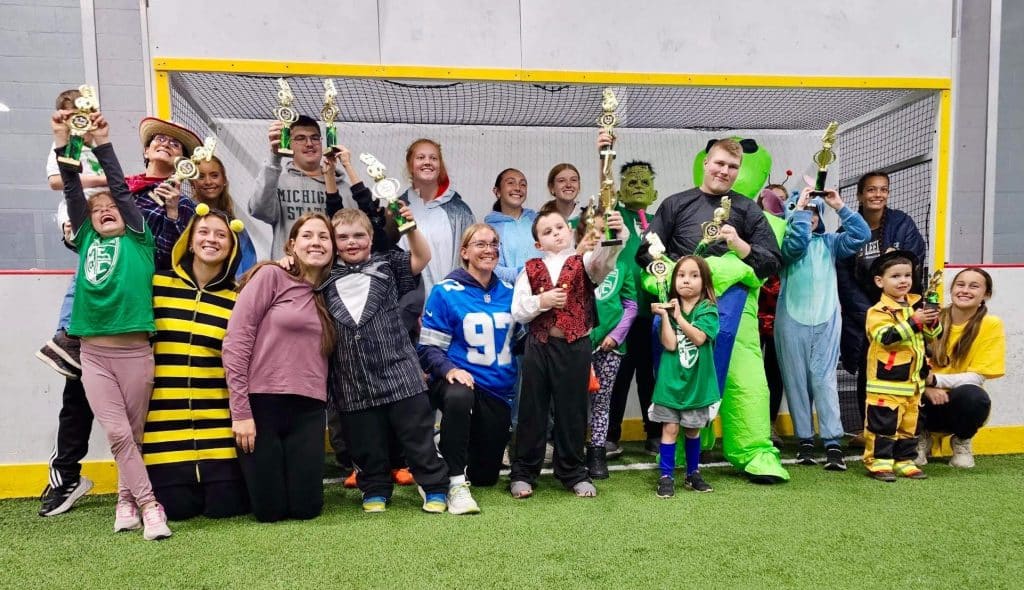
Mead remembers when her family first found TOPSoccer more than a decade ago, when Sean was young and needed an environment that moved at a pace he could follow. “TOPSoccer was the perfect opportunity for him to get engaged and have fun while learning soccer skills and social skills,” she shares. Families interested in getting involved in TOPSoccer can learn more on their website.
When Miracle League came to Midland, Sean joined baseball, too. The joy of cheering from the sidelines is something Mead says every parent should have the chance to feel. For her, inclusion is essential to what makes Midland a strong community. “Inclusion is important because it is actually about how our community values all of its members,” Mead continues. “Choosing to be inclusive can make a huge difference in someone’s life, and that someone could be you.”
This belief in valuing everyone sits at the heart of Midland Parks and Recreation’s adaptive sports programs as well. For Parks and Recreation Director Marcie Post, the work is deeply personal. She became part of the adaptive sports world when her own son was diagnosed with a disability, an experience that shifted her perspective on what children should have access to.
“One day I woke up, and I was the mom of a kid who had a disability, and the entire lens through which I looked at the world changed,” Post shares. She realized that with the right adjustments, her son could do many of the same things as his peers. That understanding became a driving force behind her commitment to Miracle League and other adaptive programs in Midland.
Post sees firsthand what happens when athletes discover they’re capable of far more than they ever imagined. “The greatest part about watching our athletes play is watching the moment when they realize they can do it, and then they start asking for more,” she says. She talks about the joy of seeing athletes who want to add new skills, learn new sports, and grow in confidence.
To her, inclusion isn’t complicated. “People often ask me why inclusion is important. It almost feels like a crazy question to me, because my response is always, why wouldn’t it be?” Post states.
“Whether it’s how to hit a baseball or how to learn to be on a team, these are skills that will translate into the next skill and then the next. This is the beauty of sport, getting better every single time.”
This philosophy extends beyond baseball and soccer. As part of the community’s push for consistent, inclusive recreation, families can also participate in monthly adaptive activities at the Roll Arena.
These gatherings give athletes and families the chance to socialize, move their bodies, and stay connected between sports seasons. For many, they also help ease the loneliness that can come when adaptive programs aren’t available year-round. The Roll Arena events have become a cherished part of Midland’s inclusive recreation landscape.
Another beloved local opportunity is Bowling Buddies, a welcoming adaptive bowling program that meets the first Saturday in August and continues every two weeks until March. The group gathers at noon at Northern Lanes Bowling Alley, with bowling from 12:30 p.m. to 2:30 p.m.
The cost is $10 per week. For families interested in joining or learning more, information is available by calling 989-687-7235. For many participants, Bowling Buddies becomes a bi-weekly highlight filled with laughter, routine, and friendship.
TOPSoccer Coach Tamara Hageage brings another layer of passion to the adaptive sports community. She has coached adaptive soccer since 2006, stepping in first to help a friend and discovering almost immediately that the program would become a lifelong calling. “I clearly remember how I felt after my first practice,” Hageage says.
Holding her young son afterward, she felt overwhelmed by a sense of purpose and connection. “Every parent wants the very best for their child, and every parent wants to watch their kiddo develop, participate, and succeed. I knew at that moment I would be a long-time coach in this program.”
Hageage spent years playing and coaching soccer at high levels, but her heart remains with programs like TOPSoccer, where success is measured in joy, participation, and growth. She believes deeply that every child has a special gift, and adaptive sports help uncover those gifts.
“If we do not invest in all of our children, then they might not find their something special and be able to share it with the rest of us,” she said. After 21 seasons of coaching, she still feels the same certainty she felt on day one. This program is where she belongs.
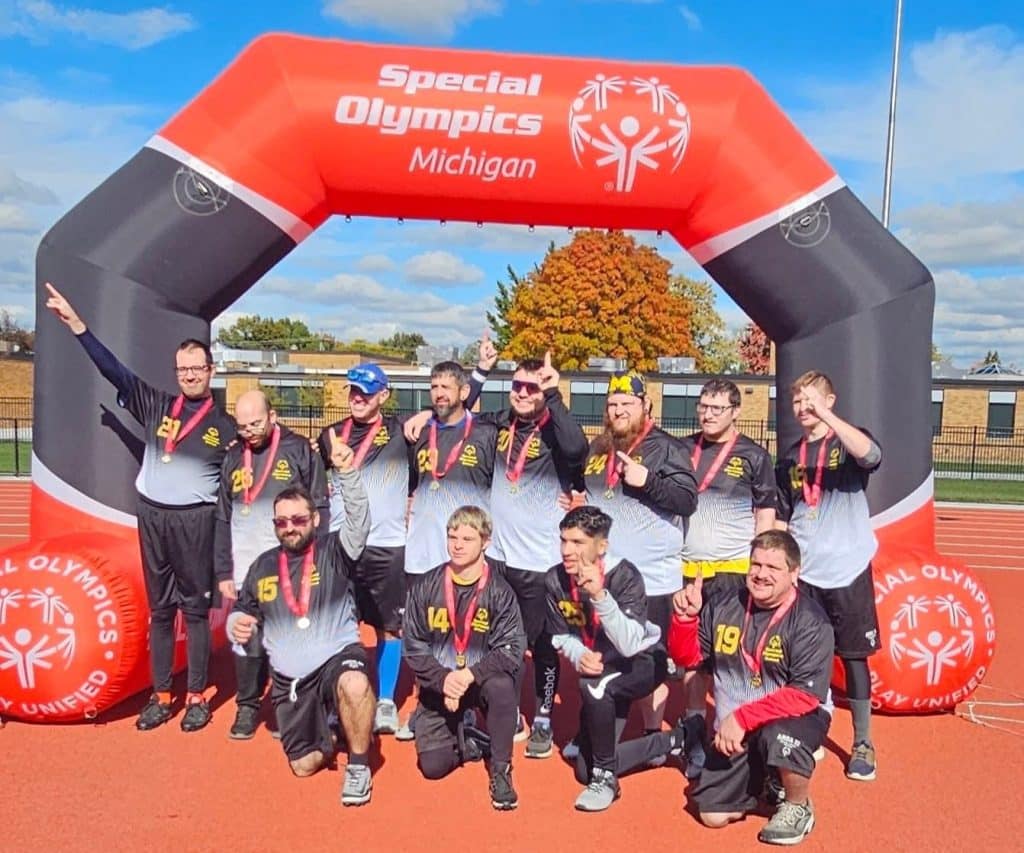
At Special Olympics Michigan, the focus is similarly rooted in dignity, access, and community support. Robbie Waclawski, Director of Civic Partnerships and State Sponsorships, stresses that adaptive sports aren’t just about modifying equipment or rules. “The value of this goes far beyond trying to win a medal,” Waclawski shares. “It provides access to physical fitness, mental well-being, and social engagement, which is what sport is truly about.”
Special Olympics trains coaches, recruits volunteers, raises funds, and ensures that no athlete or family is required to pay to participate. They provide opportunities in dozens of sports and ensure that athletes with intellectual disabilities have the same chance at community belonging as anyone else.
Waclawski wants Midland to understand that athletes with disabilities are capable of so much more than many people realize. “People with intellectual disabilities are just as capable as anyone else,” he continues. Cognitive differences, he adds, don’t define a person’s potential. They simply highlight challenges that can be solved.
Many Special Olympics athletes work jobs, live independently, and thrive socially. “They want what we all want, the opportunity to participate, to be part of their community,” Waclawski says. “When they get that chance, we are all better off.”
Waclawski encourages anyone interested to reach out, volunteer, and support local Special Olympics teams. “The best way to support Special Olympics Michigan is to start at the local level,” he says. Volunteer sign-ups and program information are available online.
Adaptive sports in Midland are built on love, persistence, and the belief that everyone deserves a place to play. From the Miracle League to the friendly lanes of Bowling Buddies, these programs create a community where every person is valued, and every effort is celebrated. In a world where belonging sometimes feels harder to find, these athletes and families show what it looks like when a community decides that everyone gets to be part of the team.
Another resource supporting families and organizations is 1in6 Support, a nonprofit providing support, resources, and advocacy for families of children with disabilities, communities, and organizations. Families can learn more online.
Author

Related Articles
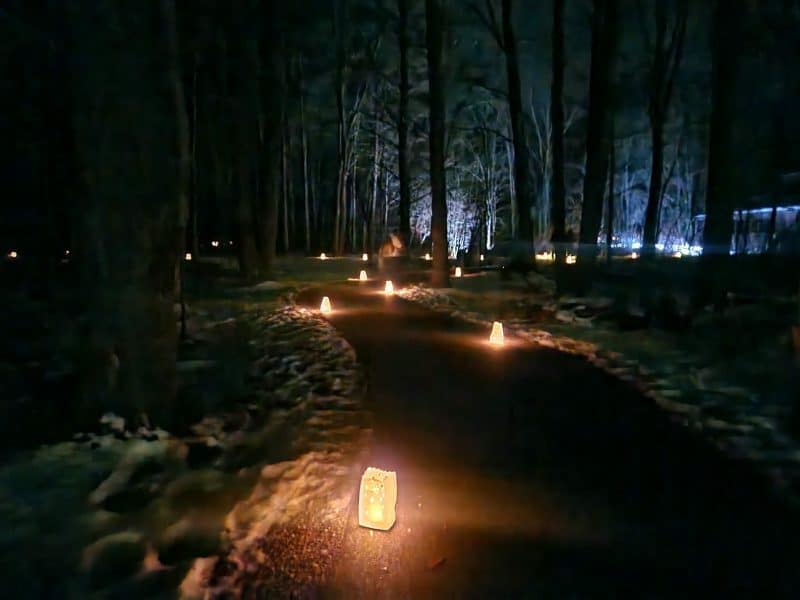
Celebration at Chippewa Nature Center honors winter solstice
Midland residents gathered at Chippewa Nature Center on Saturday, Dec. 20, to mark the winter solstice.
Local high schools send 20 Teams to next round of Nickless Innovation Award
Up to $77.5K in scholarships for students, STEM education grants for schools at stake in 13th annual competition.
Tiela Schurman establishes legacy as 2026 High School Principal of the Year
Tiela Schurman has been been named Michigan’s 2026 High School Principal of the Year.